
Understand
Physical processes, hydrology and hydrogeology.
About Reksar Lab
Reksar Lab is an independent, non-profit applied research group working on water and environmental risk in Indonesia. It is the public research identity of Yayasan Rekayasa Sistem Air dan Risiko.
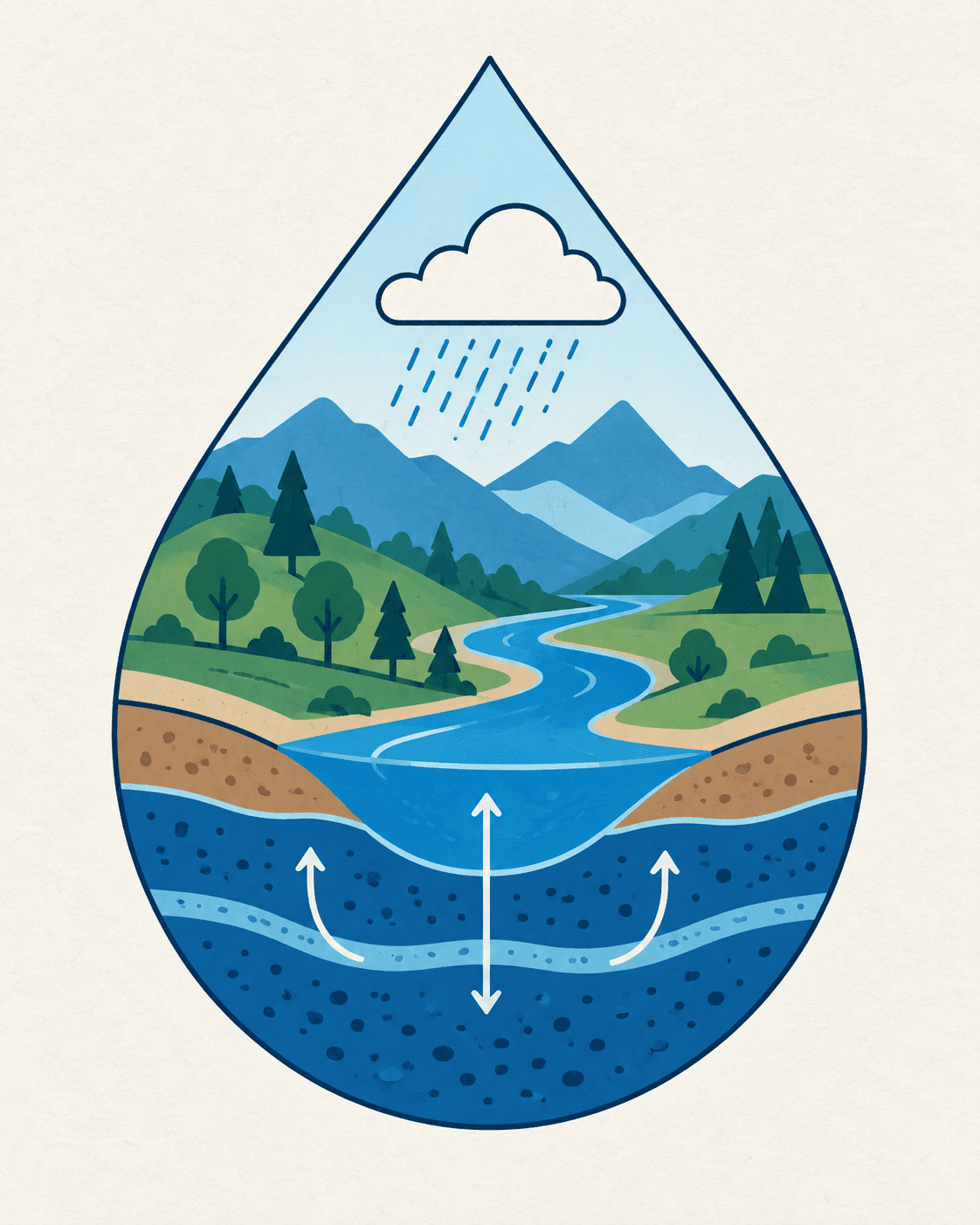
Research on water systems, based on evidence that others can check.
We publish methods, plan monitoring and build early research tools to show how water conditions become risks. The work joins physical understanding, field observation, models and data analysis.
Physical processes, hydrology and hydrogeology.
Monitoring, field data, satellite data and sensors.
Physics-based modelling, statistics, data analysis, and ML where appropriate.
Public methods, early research tools and research maps.
Machine learning, artificial intelligence and sensors are methods we may use. They are not the name or purpose of Reksar Lab. We pick a method that fits the question and the data.
The water system is continuous. Information about that system is not.
Surface water, groundwater, water quality and data systems are often managed separately, while the physical water system itself remains connected.

Fragmented information
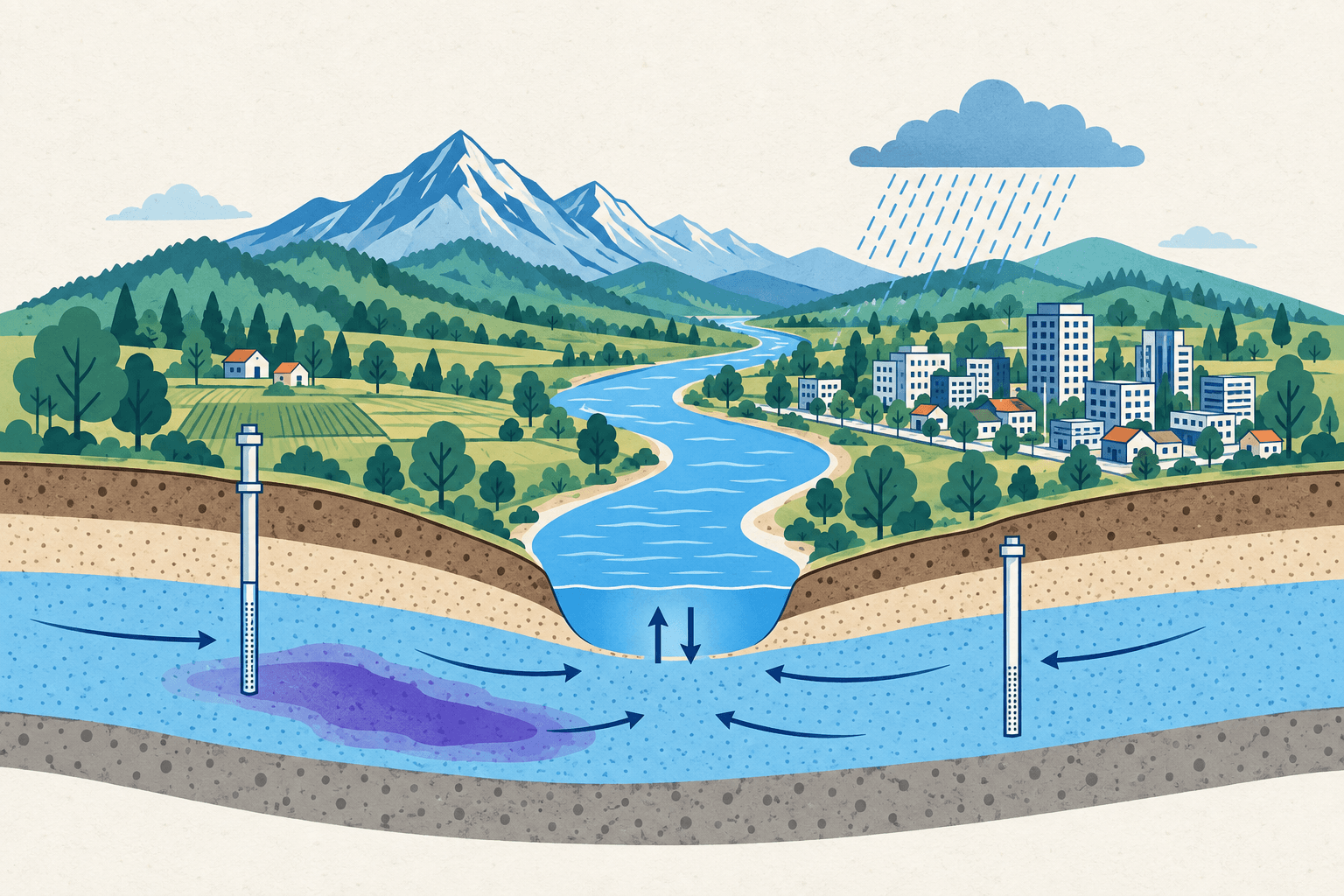
Connected physical system
Rainfall → Catchment → River → Groundwater
Hazard, exposure and vulnerability combine to produce risk. Evidence then supports decisions — with limitations stated.
Understand the water. Say what the evidence can support.
To do open research that can be checked, answers real questions, and improves how water-related risk is understood and managed.
Reksar Lab’s mission explains how Yayasan Rekayasa Sistem Air dan Risiko pursues its statutory purpose through water and environmental research. The foundation was established for social and humanitarian purposes. Its registered activities include research and development in the natural sciences and in engineering and technology, education, environmental conservation, and assistance to victims of natural disasters.
We interpret results against how water actually behaves.
We do not make models more complex than the evidence allows.
We study questions that matter for understanding water or deciding what to do.
Trustworthy research shows its standards.
Methods and assumptions are documented.
We set up analyses so others can repeat them when the data allow.
What is not known is reported.
Methods, findings and conclusions are determined by evidence.
01
Research question
02
Where the data came from
03
Does it match the physical system?
04
Baseline and checks
05
What is uncertain
06
Can it be repeated?
07
Stated limits
08
Technical review
09
Publication
Funding does not determine research methods, findings or conclusions. Supported research may include research grants, donations, institutional support, and lawful non-commercial research funding.